Projects
Our Work
Accomplished Projects
A summary of key initiatives and humanitarian responses successfully implemented by Pakistan Community Peace Foundation (PCPF).
Water Induced Disaster Management Program
Considering the devastating earthquake of 8 October 2005 in Pakistan, PCPF launched disaster preparedness, mitigation, relief, and rehabilitation programs, prioritising vulnerable populations in affected areas.
- • Formation of earthquake victims’ organizations
- • Livelihood support programs for disaster victims
- • Awareness-raising activities
- • Advocacy and lobbying
- • Press conferences and interaction programs
- • Workshops, seminars, and trainings
- • Relief material supply
- • Bulletin publications
- • Health and sanitation programs
- • Snack bite training
Environmental Program
Environmental protection, sanitation, and water quality improvement are central to PCPF’s mission. This program targets slum and rural areas with poor water and sanitation conditions, encouraging communities to adopt self-help initiatives for healthier environments.
PCPF conducts workshops and seminars based on community surveys to promote awareness of environmental health as a fundamental human right essential to wellbeing and dignity.
Sanitation – Construction of Community Latrines
During the 2010 floods in Rawalpindi and Islamabad, many slum areas were severely affected. Approximately 175 houses were destroyed, impacting over 225 families in areas such as Dhoke Assoo. Sewerage systems collapsed, forcing communities to use open areas as latrines, leading to disease outbreaks.
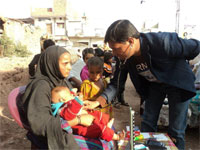
PCPF Pakistan assessed community needs and initiated plans to construct community latrines, particularly for women and children, to restore dignity and promote public health. Medical camps were also organised and free medicines distributed to affected children.
Case Study – Mr. Markes Masih
Mr. Markes Masih, a resident of Dhok Najhoo, actively supported relief efforts during flood emergencies. He praised PCPF’s immediate response and commitment to sanitation and health. Inspired by the organization’s work, Mr. and Mrs. Markes later became active members of PCPF.
Rain & Flood Emergency – July 2010
In July 2010, Rawalpindi and Islamabad received record rainfall of 620mm within eight hours, causing Nullah Lai to overflow. Floodwaters reached heights of up to 18 feet, destroying homes, infrastructure, and livelihoods, with Christian Kachi Abadies being the most affected.
PCPF Intervention During Emergency
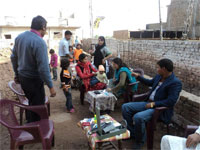
PCPF conducted surveys and collaborated with national partners, including the World Human Rights Organization, to support 200 affected families with essential relief items:
- • Soap
- • Blended food for children
- • Food commodities
- • Slippers
- • ORS
- • Blankets
- • Used clothes
- • Dry milk
Books & Shelter Support
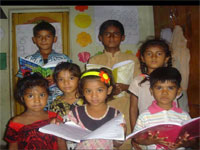
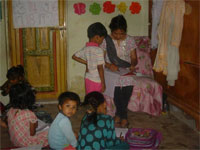
PCPF distributed books to 172 flood-affected children in Rawalpindi in collaboration with the Education Department and humanitarian organizations. Additionally, 125 tents were provided to the most deserving flood victims.
Case Study – Razwan (Age 9)
Razwan, a class three student from Gunjmandi, Rawalpindi, lost all school books during the flood. PCPF’s timely support restored hope for his education, easing the financial burden on his family and securing his future learning.
Mr. Karamat Bhatti
General Secretary – Environmental Program
Pakistan Community Peace Foundation (PCPF)
Regional Office – Rawalpindi, Pakistan